About Me
I am a first-generation college graduate, educator, researcher, student affairs professional, and elected public servant working at the intersection of education and public policy. I am interested in the places where education, civil society, and human development meet — and in how relationships, the arts, athletics, and thoughtful institutions can help people learn and belong.
Public Leadership and Policy
As a fourth-generation Stonington resident, I serve on the Stonington Board of Education, where I was appointed at age 21 and elected to a full four-year term at 22 with the support of 58.9% of voters. As one of seven members responsible for the governance of a public school system with an annual budget of nearly $50 million, I shape decisions affecting students, educators, families, and the broader community.
I serve on the Board’s Teaching & Learning, Policy, and AI Advisory committees. I have a particular focus on developing thoughtful, research-informed approaches to addressing the rise of artificial intelligence. My goal is not to embrace or reject emerging technology uncritically, but to ensure that policy protects meaningful learning, intellectual development, professional judgment, and the human relationships at the center of the classroom.
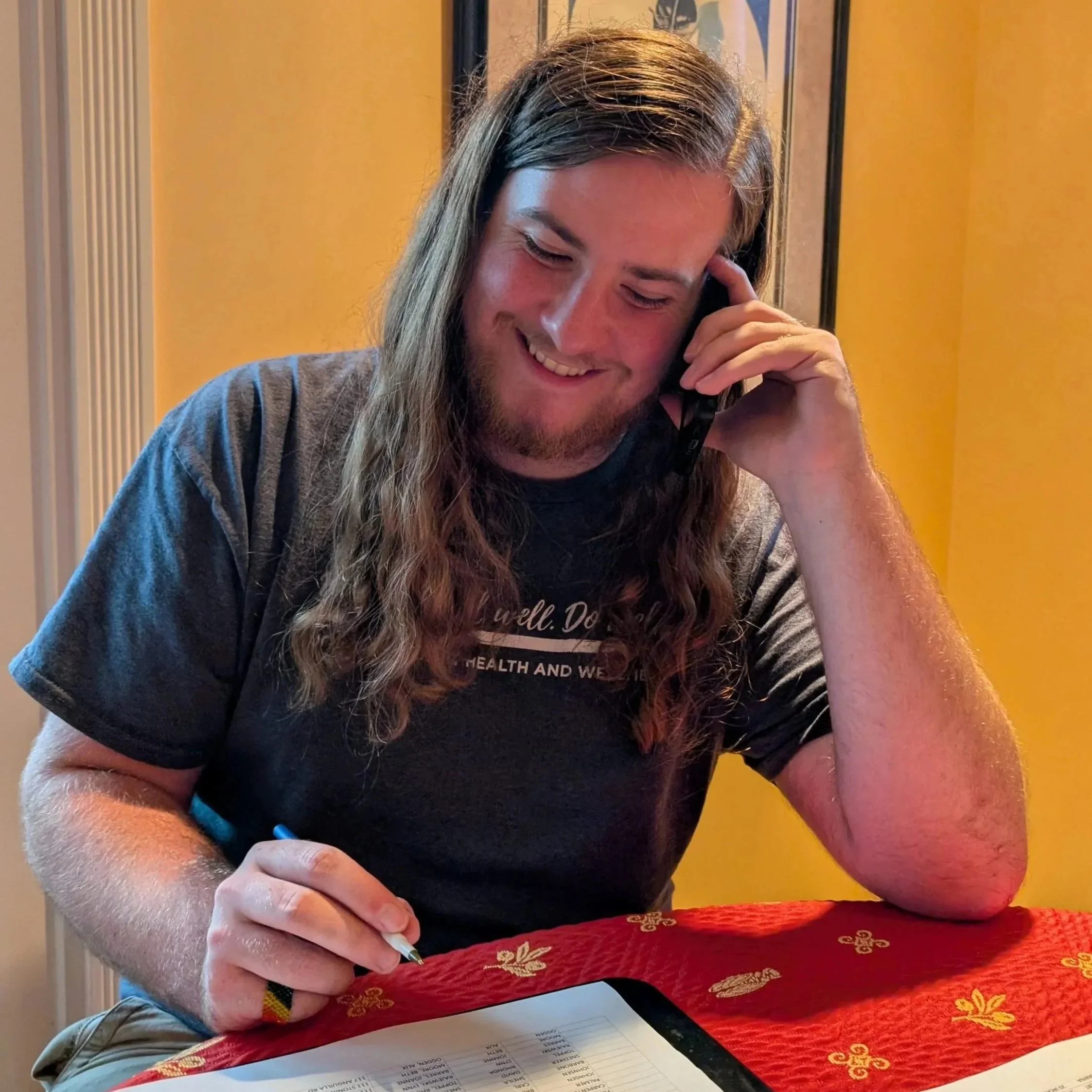
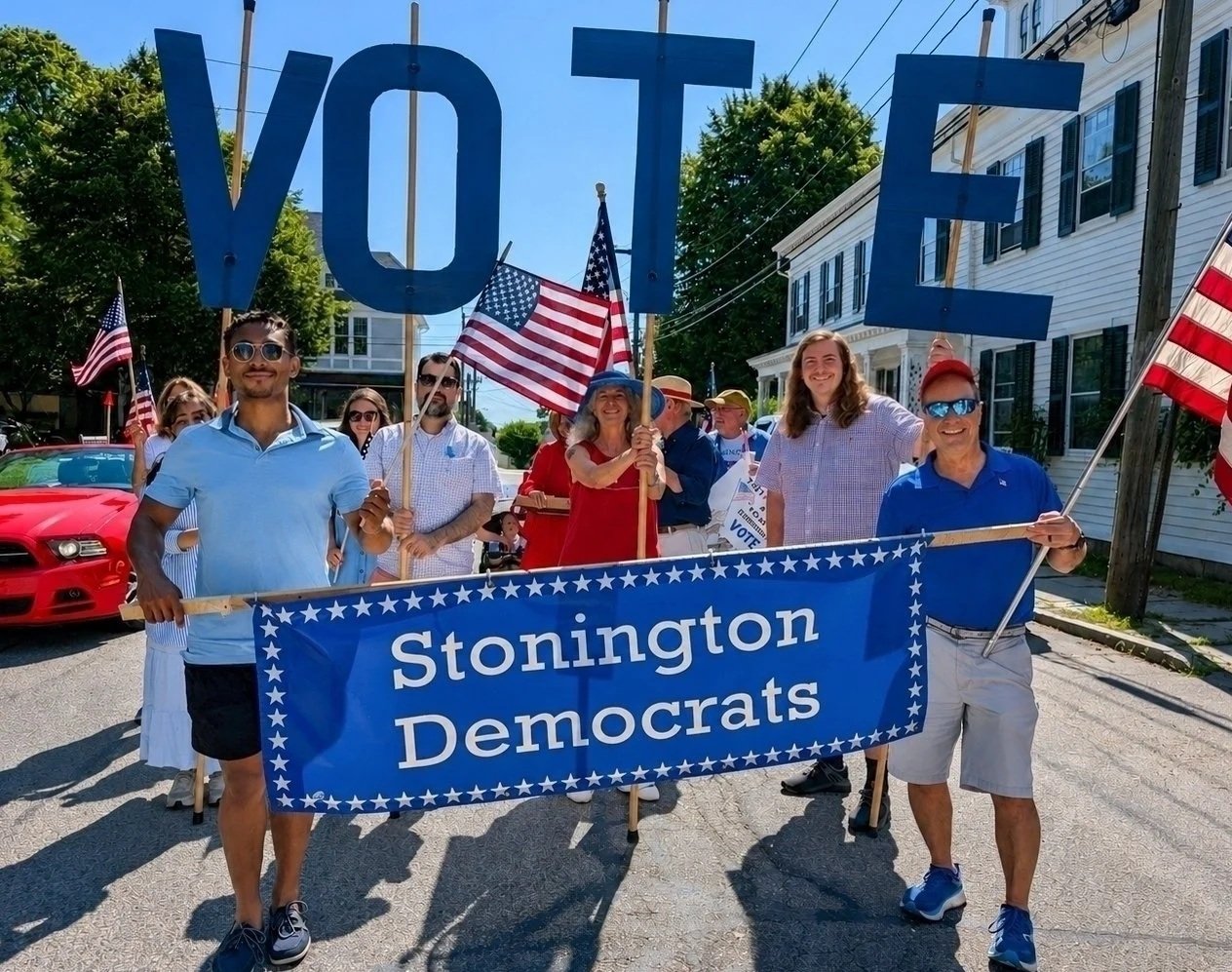
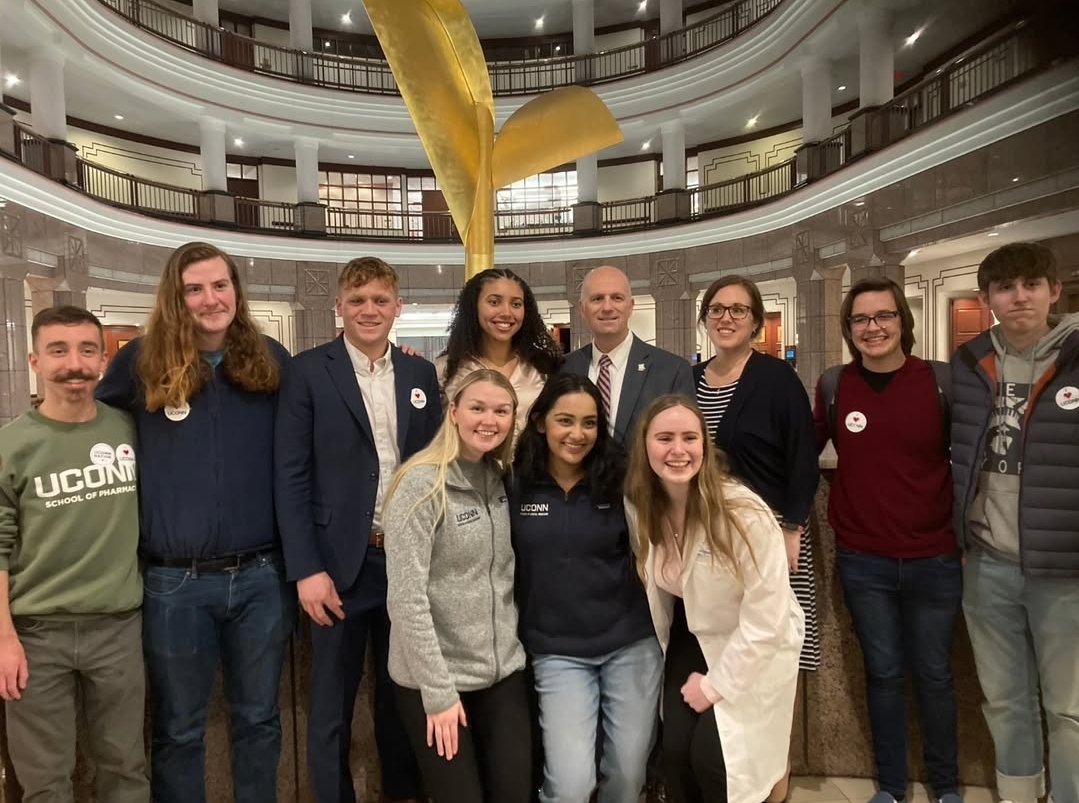
I also serve on the Stonington Democratic Town Committee and its Campaign and Bylaw Revision subcommittees. Previously, I was appointed to Stonington’s Municipal Ethics Commission at age 20 and was later elected its chair, leading sensitive conversations about public trust, ethical governance, and institutional responsibility. Beyond elected and appointed office, I provide campaign strategy and consulting support to candidates for the Connecticut General Assembly and help students participate in the legislative process, including preparing testimony in support of stronger public investment in education.
Educational Leadership and Student Success
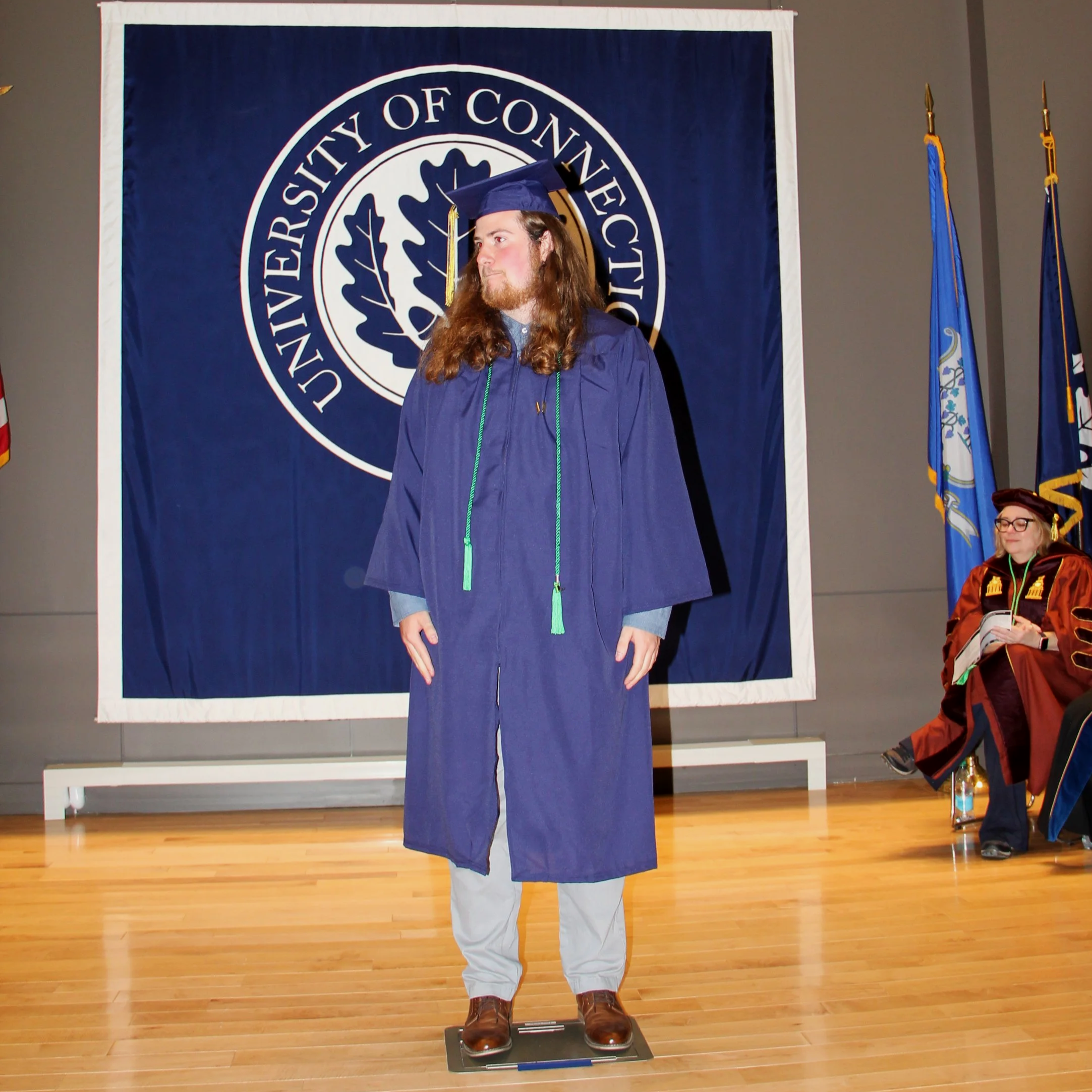
My work in educational leadership began as a student, when I managed substantial student activity budgets, helped launch the Husky Harvest food pantry, and worked to amplify the interests of students, staff, and faculty at UConn’s regional campuses. I served for two years on the University Senate and other university committees responsible for enrollment, curriculum, and multi-campus governance.
Today, I work as a student affairs professional with the Center for Access and Postsecondary Success. My work includes direct student support through teaching, mentoring, and supervision, as well as strategic planning, program design, and applied research. My work strengthens pathways for students who have historically been excluded from higher education, including first-generation and low-income populations. I draw on both my political strategy and institutional experience to advance the work required for TRIO and access-oriented professionals to sustain their practice amid an increasingly difficult and uncertain policy environment.
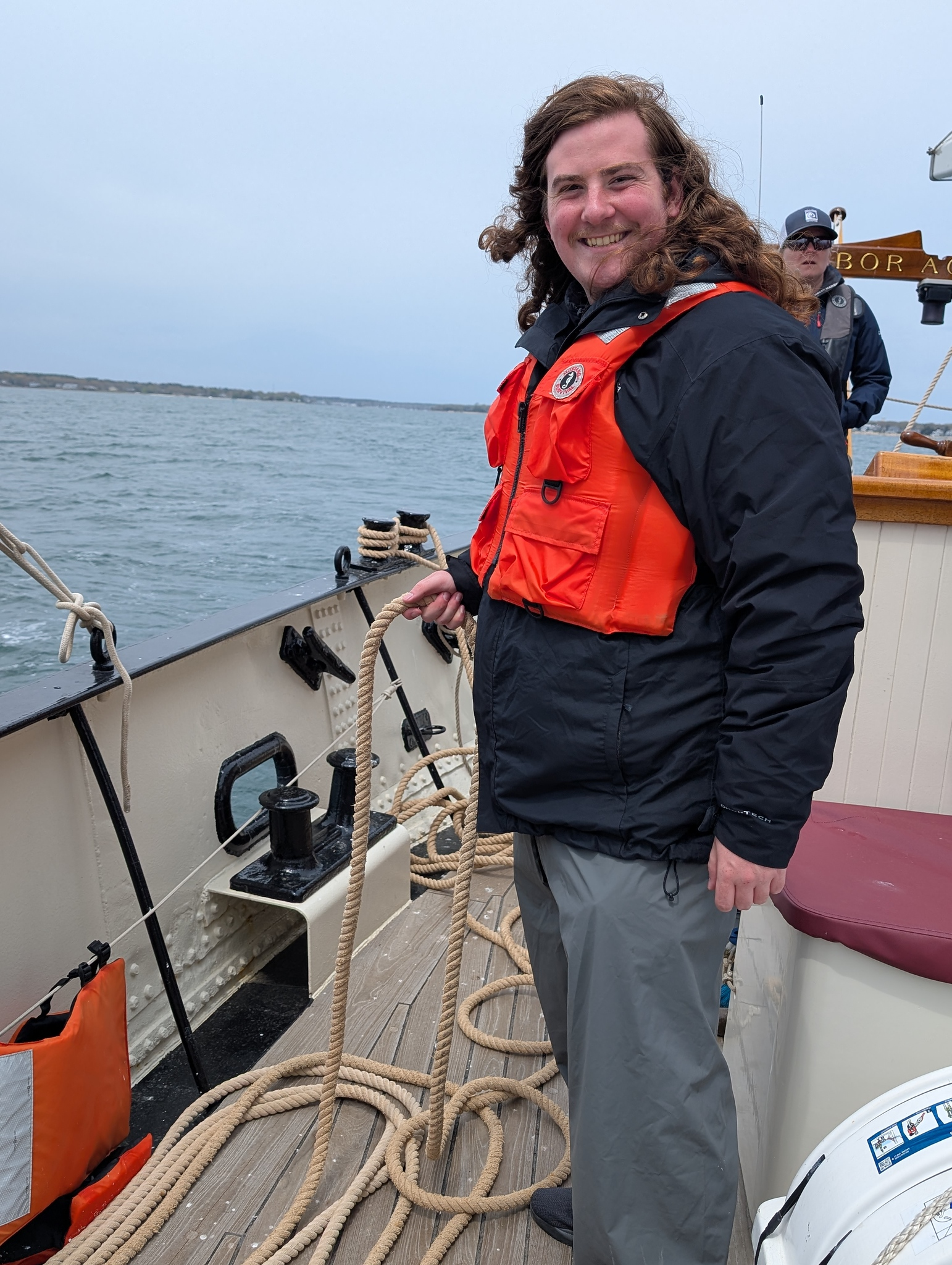
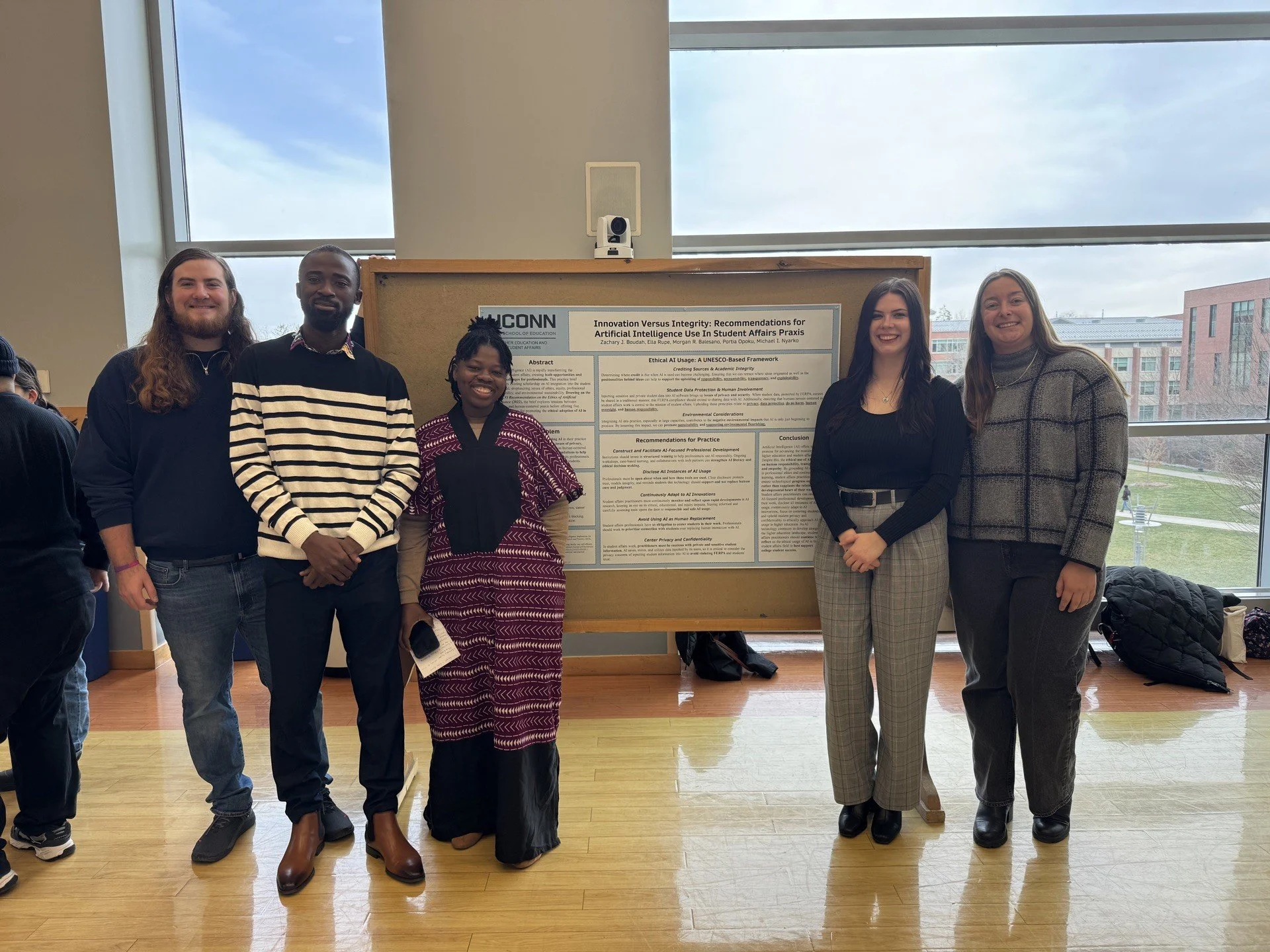
I am currently pursuing graduate studies in educational leadership at UConn. My research examines how students navigate major transitions, how higher education professionals understand and respond to a rapidly changing policy environment, how professionals approach the ethical use of artificial intelligence, and how institutions can better advise and support student organizations. Across my research, teaching, writing, and work with students, I am especially interested in how institutions create the conditions for people to flourish — not only by expanding access, but by cultivating agency, curiosity, and a deeper understanding of one another through shared human experiences. A thoughtful conversation, a shared text, a performance, a game, or an encounter with a place beyond the classroom can shape a person as meaningfully as any formal lesson. Education is most powerful when it helps people understand both the world around them and their capacity to act within it.
Whether I am shaping policy, supporting a campaign, designing a student program, studying institutions, or sitting across the table from community members, I return to the same principle: leadership should be human-first, evidence-informed, and prepared to undertake the difficult work that meaningful change requires. Institutions are at their best when they treat people not as numbers, problems, or constituencies to be managed, but as full human beings whose expertise in their own lived experiences deserves to shape the systems around them.
Let’s Get In Touch